
OilDoc 2027
Rosenheim, Germany
Bavaria · OilDoc Conference
Bavaria · OilDoc Conference

Innovative automated instrumentation for the commercial oil-analysis industry.


Each CINRG instrument is purpose-built for a specific test method — engineered to remove operator variability and accelerate sample throughput while preserving accuracy.
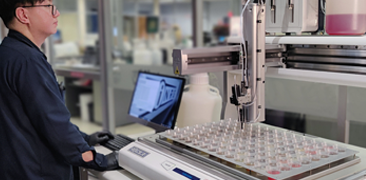
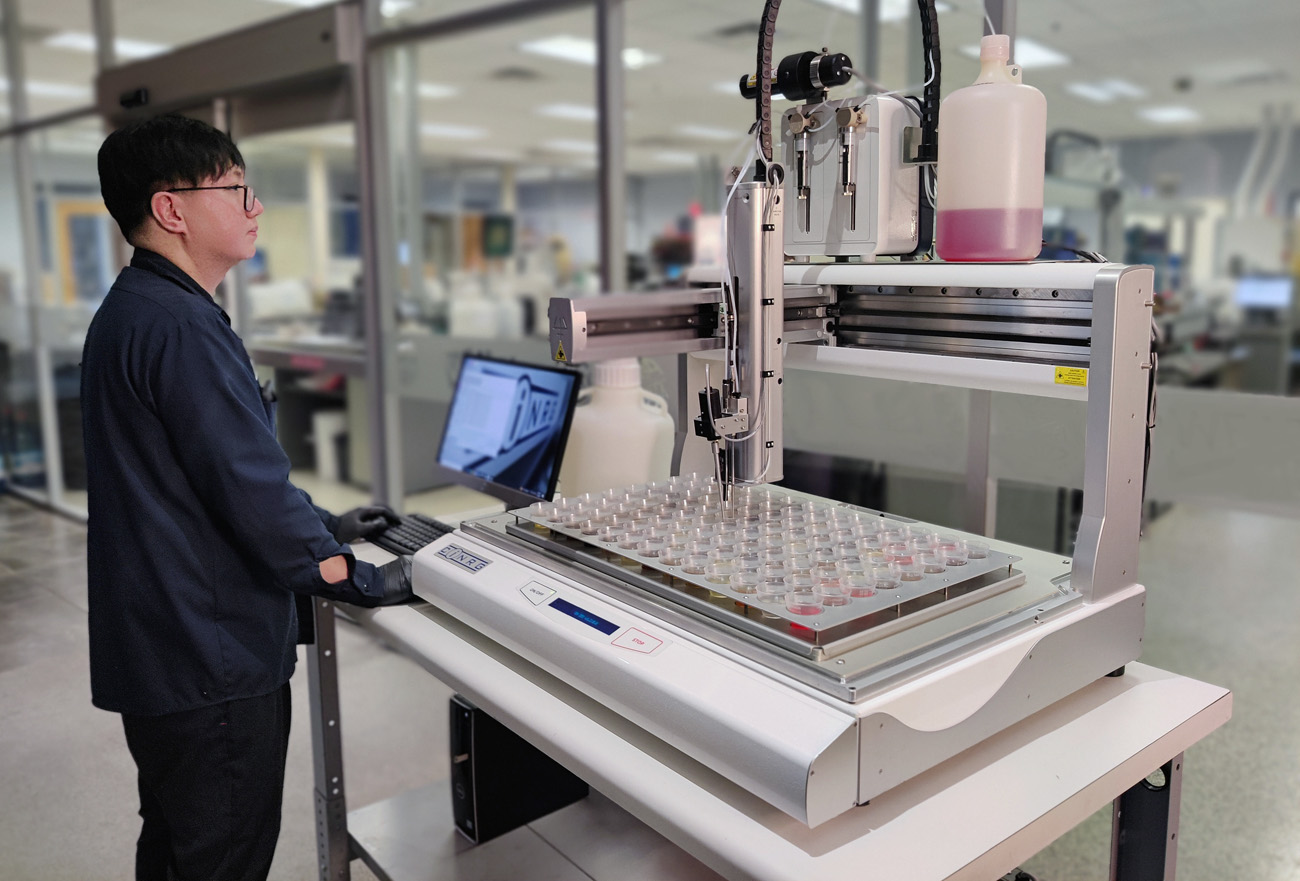
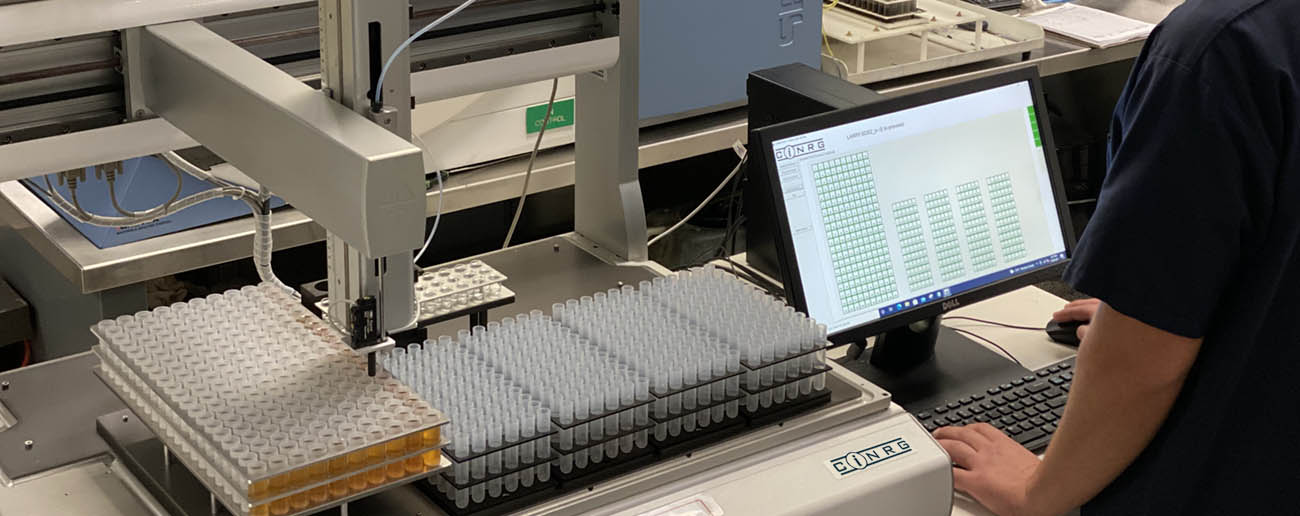
A large-format fully automated particle counter that meets the requirements of ASTM D7647-10. Oil samples are diluted with solvent prior to testing in order to eliminate interferences from “soft” particles such as water, varnish and suspended liquid additives.
Our smaller fully automated particle counter that meets the requirements of ASTM D7647-10. Oil samples are diluted with solvent prior to testing to eliminate interferences from “soft” particles such as water, varnish and suspended liquid additives.
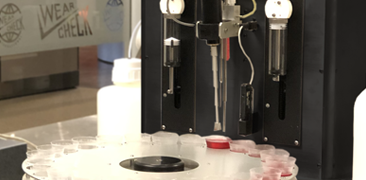
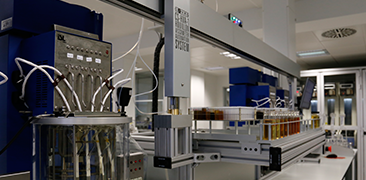
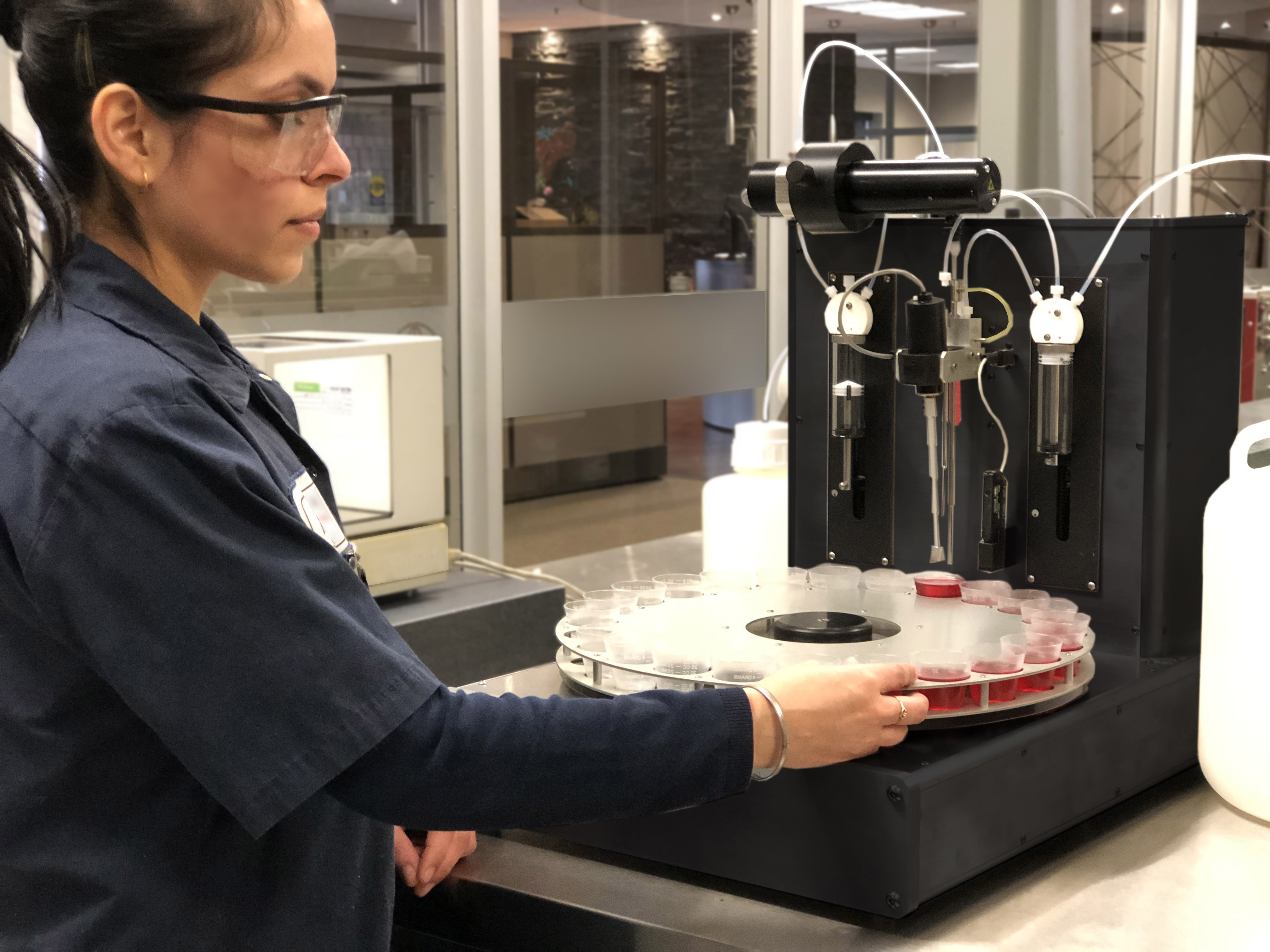
A fully automated 2-bath viscometer system that meets the requirements of ASTM D7279-14, specific to viscosity measurement carried out using automated Houillon viscometers. Provides rapid viscosity analysis with improved repeatability.
A fully automated 4-bath viscometer system that meets the requirements of ASTM D7279-14. The four-bath configuration delivers higher throughput for labs running heavy daily volumes while preserving repeatability.
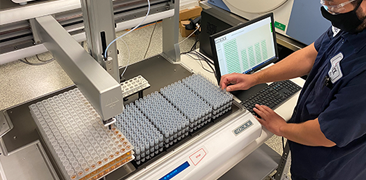
A fully automated sample dilution system designed for the modified ASTM D5185m, in which oil samples are diluted with solvent prior to ICP-AES testing utilizing volume/volume measurement. Configurable workflow with negligible carry-over.
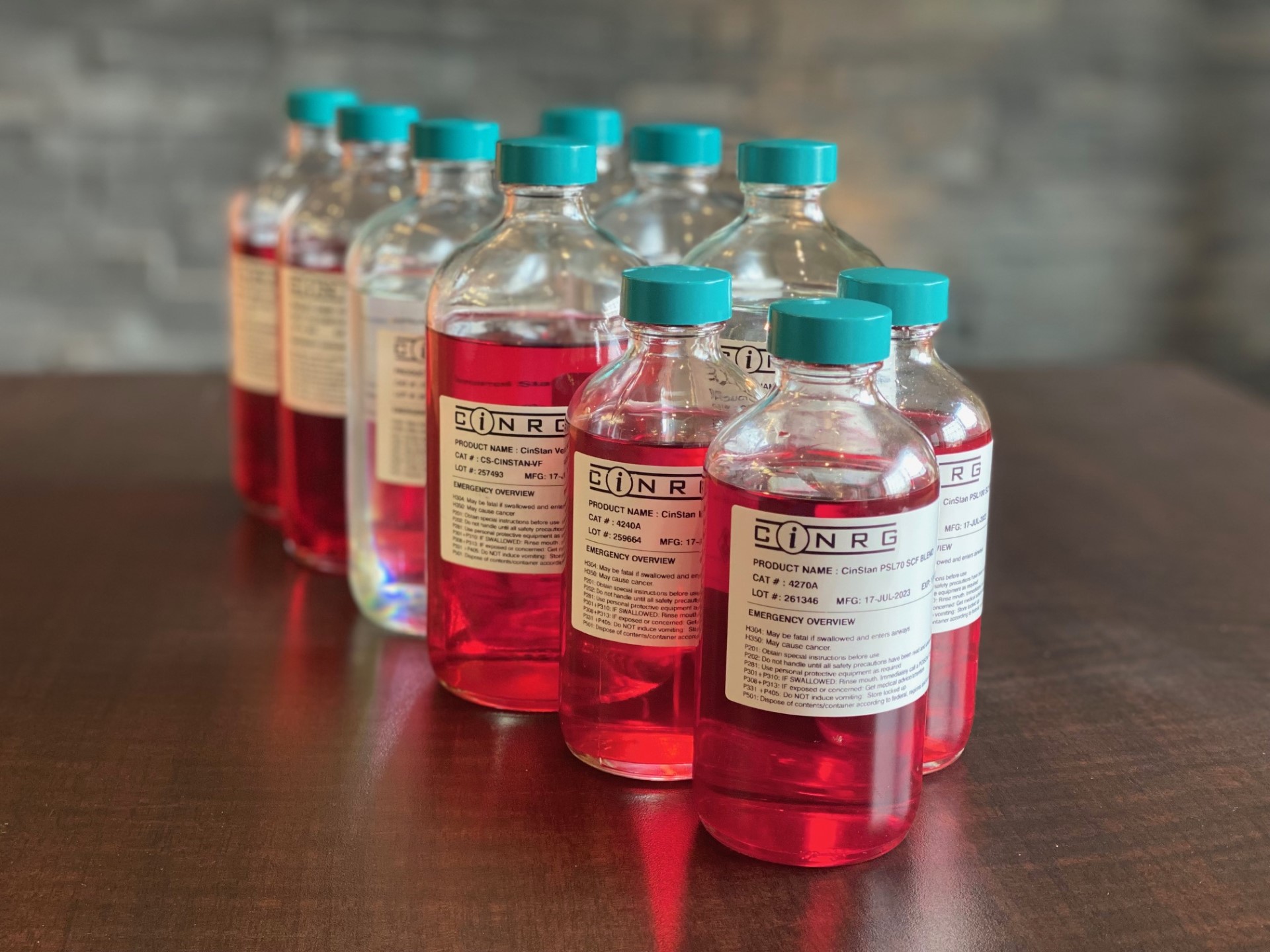
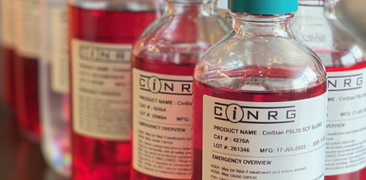
CINRG CINSTAN particle-count standards are compliant with ISO 11171 and traceable to NIST SRM 2806d. These standards are cost-effective secondary standards for the calibration, verification and control of optical particle counting instruments.
Selected papers, methods, and presentations from the CINRG technical team.
An overview of the capabilities, operating process and system specifications for the CINRG CS-APC-2 fully automatic auto-diluting particle counter.
In conjunction with WearCheck Canada, heavily contaminated oil samples that normally could not be processed by an optical particle counter were successfully tested on the CS-APC-2.
Updated presentation from OILDOC 2017 in Rosenheim, Germany — demonstrating the effect of the new primary standard for ISO 11171 calibration on particle-count data.
With the CINRG Particle Counter we have counted more than 80,000 samples (approx. 5,000 samples/month). We — and our customers — have found very reliable results. The dilution works perfect. The counts have excellent repeatability.
Peter WeismannOelCheck GmbHCINRG has a state-of-the-art particle counter that far exceeds expectations. Approximately seven hours of preparation time is saved due to its automation. A definite asset to any oil-analysis laboratory.
Frank PerriWearCheck CanadaWith the CS-APC-2 we have been able to reduce the analysis and report times — in many cases to half — with this improved production capacity. This is why we have decided to accredit this test under ISO 17025.
Jose IgnacioTekniker, SpainThe CINRG robotic viscometer system has improved repeatability of viscosity results and freed up close to one full day of technician time. A definite win-win for our laboratory.
Frank PerriWearCheck CanadaAfter two months working with the CS-HVA-1 we think it is, by far, the biggest advance in automation we have in our labs. We are fully satisfied with its performance and results.
Jose IgnacioTekniker, SpainThe auto-dilution methodology has been a game-changer for processing heavily contaminated samples that previously could not run on an optical particle counter at all.
Lab OperationsWearCheck Canada





























Tell us about your throughput, your test methods, and your facility. A CINRG engineer will help you scope the right configuration — and put you in touch with your nearest dealer.